
About
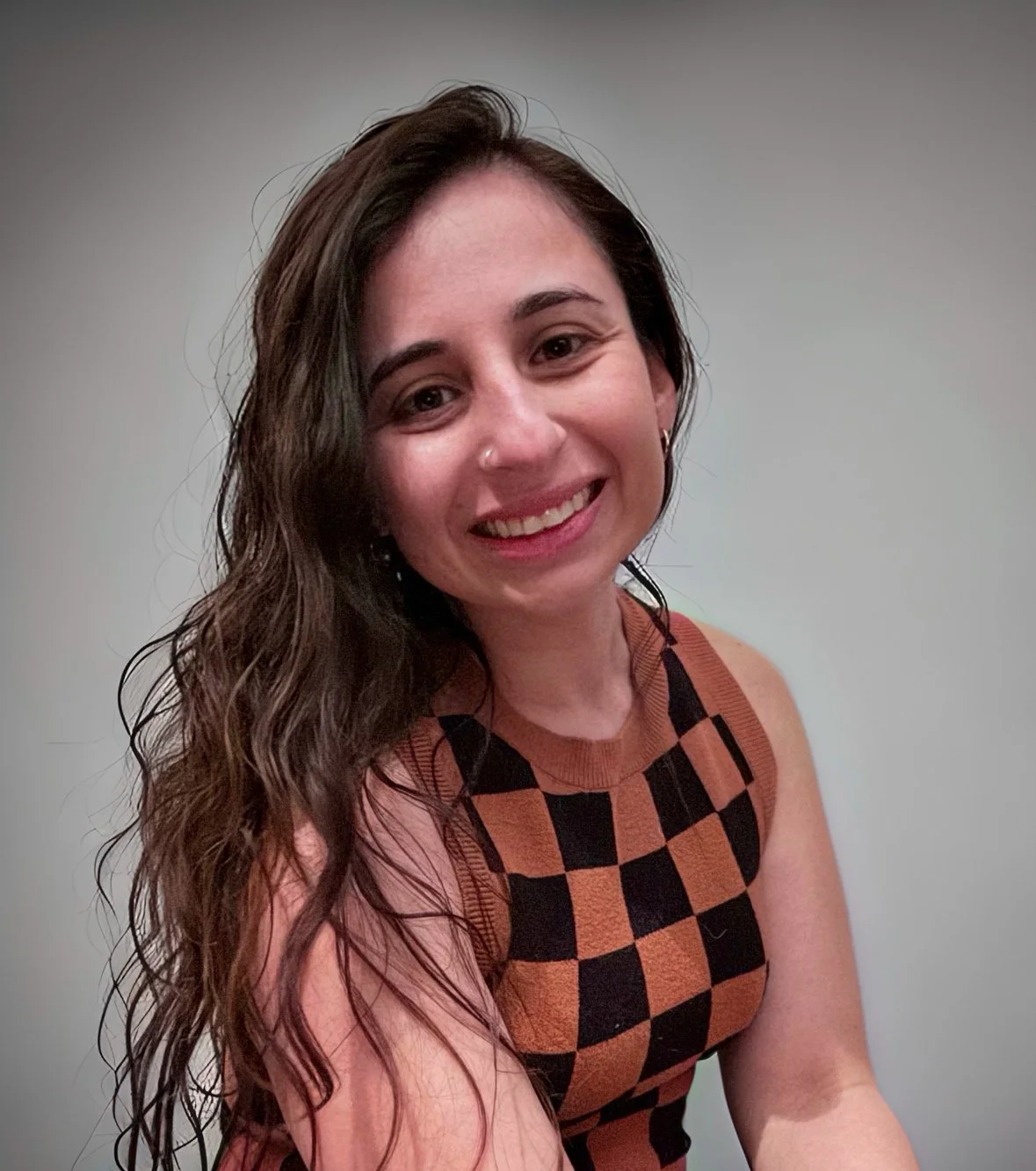
CEO, FOUNDER, DIETITIAN
Erica Markovitz
MS, RD, LD
I’m Erica, the Gentle Nutrition RD. I support individuals in building a more peaceful, flexible relationship with food through a weight-neutral, anti-diet approach.
Whether you’re recovering from an eating disorder or working toward more ease with food, I emphasize moving away from labeling foods as “good” or “bad” and letting go of seeing your body as something to control or fix. Instead, I invite you to reconnect with your body as a vehicle for living and experiencing the world. Together, we focus on building body awareness, simplifying food decisions, and finding ways of nourishing yourself that feel realistic, supportive, and sustainable.
I practice from a trauma-informed, gender-affirming, neuro-affirming, and LGBTQIA+ inclusive lens, honoring diverse identities, abilities and disabilities, and lived experiences. I approach this work with curiosity, exploring how identity and systems shape our relationship with food and our bodies, while supporting accessibility, body attunement, ease, and joy.
Recovery is deeply personal. I aim to create a space that is compassionate while still supporting growth and accountability, where you can show up as you are without shame. This work is collaborative and rooted in trust, respect for your autonomy, and what feels realistic for you.If you’re looking for a supportive, judgment-free space to explore your relationship with food and your body, we might be a good fit.

Experience
I’ve been practicing as a dietitian since 2019, with a focus on eating disorder recovery and weight-neutral care. My interest in this work is both professional and personal, which has deeply informed the perspective I bring into my practice.
My path into this work has been shaped not only by clinical experience, but also by learning from others and developing a deeper understanding of how identity and lived experience shape our relationship with food.
I began my career in long-term care, supporting individuals with complex medical conditions including diabetes, cardiovascular disease, and renal disease, as well as providing nutrition support therapy. This foundation strengthened my ability to approach nutrition from a clinically informed, whole-person perspective.
I later transitioned into outpatient care, where I worked with individuals exploring their relationship with food and their bodies within a range of social, cultural, and economic contexts. This experience shaped the way I approach this work today, highlighting the importance of accessibility, body autonomy, and moving away from rigid, rule-based approaches to food.
These experiences continue to shape my approach, supporting care that is clinically informed, flexible, and grounded in each person’s lived experience.

Philosophy
My approach to nutrition is weight-neutral and anti-diet, grounded in the understanding that health is complex and shaped by many factors, not all of which are within our control. This includes physical, mental, and emotional well-being, as well as the impact of lived experience and broader systems. Nutrition is one part of this, and the way we nourish ourselves should support these facets, not work against them.
I recognize that our relationship with food and our bodies is shaped by a complex interplay of identity, lived experience, and broader systems. Nutrition care, in this context, must be flexible, accessible, and responsive rather than prescriptive.
I do not view food or bodies through a lens of morality. Instead, I practice from an all-foods-fit approach that supports a more flexible, attuned, and sustainable relationship with food, rather than one shaped by rules, perfection, or control.
This work is inherently collaborative and client-led. I believe individuals are the experts of their own experiences, and that care should support autonomy, not override it. My role is to provide guidance, structure, and perspective in a way that aligns with each person’s capacity, needs, and lived reality.
Above all, my work is rooted in a commitment to autonomy, accessibility, and meeting people where they are. This includes challenging systems and narratives that contribute to disconnection from the body, while supporting approaches that foster trust, flexibility, and a more sustainable relationship with food.

Education
University of Illinois @ Urbana-Champaign
Bachelor of Science: Food Science & Human Nutrition (Dietetics)
Ohio University
Master of Science: Food & Nutrition Sciences
Master’s Thesis: Exploring Motivations behind Food Choices of Collegiate Female Modern Dancers
Dietetic Internship